Follow Us









Homepage Slideshow
Design and Implementation of Monitoring and Evaluation Systems
Scheduled Dates: 08 – 19 Jan | 01 – 12 Apr | 01 – 12 Jul | 07 – 18 Nov '24
Leadership in Management Master Class Workshop
Scheduled Dates: 12th - 23rd Aug 2024 (DUBAI)
Project Proposal writing and fund raising techniques
Scheduled Dates: 08 – 19 Jan | 26 Feb – 8th Mar (Dubai) | 01 – 12 Apr | 01 – 12 Jul | 07 – 11 Oct '24
http://centreforpm.co.ke/index.php/seminar-short-courses/project-management1?layout=edit&id=146
Monitoring and Evaluation
Scheduled Dates: 05 – 09 Feb | 06 – 10 May | 05 – 09 Aug | 04 – 08 Nov '24
http://centreforpm.co.ke/index.php/seminar-short-courses/project-management1?layout=edit&id=137
Ms Project and Power BI Workshop
Scheduled Dates: 15 – 26 Jan | 15 – 26 Apr | 15 – 26 Jul | 14 – 25 Oct '24
http://centreforpm.co.ke/index.php/seminar-short-courses/it-computer-courses1?layout=edit&id=132
Research, Monitoring and Evaluation in the Public Sector
Scheduled dates: 05 – 16 Feb | 06 – 17 May | 05 – 16 Aug | 04 – 15 Nov '24
http://centreforpm.co.ke/research-monitoring-and-evaluation-in-the-public-sector
Project Management Professional (PMP) Exam Prep Sessions
Training Session: 3rd - 7th June 2024 (36hrs Covered)Mock Exams & Revision: 10th - 19th JuneIntake Every MonthProject Leadership & Governance
Scheduled Dates: 3rd - 15th June 2024 (2 weeks) DUBAIhttp://centreforpm.co.ke/images/slideshow/Leadership--Governance.jpg
Financial Analysis and Management
Scheduled Dates: 12 – 23 Feb | 3 – 14 Jun | 12 – 23 Aug | 11 – 22 Nov '24
http://centreforpm.co.ke/images/slideshow/Report-Writing-Skill.jpg
Management Development for Personal Assistants
Scheduled Dates: 08 – 19 Jan | 08 – 19 Mar | 08 – 19 Jul | 07 – 18 Oct '24
http://centreforpm.co.ke/images/slideshow/Perfect-PA-and-Effective-Office-Admin-Skills.jpg

Read More
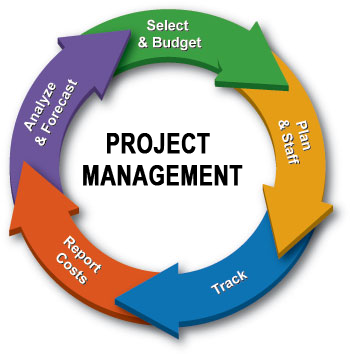 Enhance delegates' knowledge, understanding & skills in the concepts of PM and related disciplines.
Read More
 A platform to horne skills in Time Mgt; Communication; Leadership, Perfect Writing prowess among other HR knowledge areas.
Read More
 A department with focus to enrich in latest business acumen necessary for great success.
Africa Centre for Project Management (CPM)
Seminar/Short Courses
COURSE INFORMATION
Scheduled Dates: 11 – 22 Jan 2027 | 05 – 16 Apr 2027 | 05 – 16 Jul 2027 | 04 – 15 Oct 2027
Duration: 2 Weeks
Customized dates and one-on-one sessions can be organized.
COURSE DESCRIPTION
The Humanitarian Programme Monitoring, Evaluation, Accountability and Learning (MEAL) Training Programme is designed to strengthen the capacity of humanitarian and development professionals to effectively monitor programme implementation, measure results, promote accountability to affected populations, and facilitate organisational learning for improved humanitarian interventions.
Humanitarian programmes operate in complex and rapidly changing environments where timely information, evidence-based decision-making, transparency and responsiveness are essential. Effective MEAL systems enable humanitarian organisations to assess programme performance, track progress against planned targets, identify implementation challenges, measure outcomes and ensure that assistance reaches the intended beneficiaries in an efficient, equitable and accountable manner.
The training provides participants with practical knowledge and skills in developing MEAL frameworks, designing indicators, establishing baseline and endline assessments, collecting and analysing data, conducting evaluations, managing feedback and complaints mechanisms, and documenting lessons learned. It also explores participatory monitoring approaches, community engagement, data quality assurance, ethical considerations, and the use of digital tools for humanitarian programme monitoring and reporting.
Through practical exercises, case studies and group discussions, participants will develop the competencies required to design, implement and strengthen MEAL systems that support programme effectiveness, accountability, transparency and continuous improvement in humanitarian operations.
TARGET GROUP
This training programme is designed for professionals involved in humanitarian programme planning, implementation, monitoring, evaluation, accountability and learning, including:
- MEAL Officers, Managers and Coordinators.
- Monitoring and Evaluation (M&E) Officers and Specialists.
- Programme Managers and Project Coordinators.
- Humanitarian Response Managers and Field Coordinators.
- Monitoring, Evaluation, Accountability and Learning Advisors.
- Programme Quality and Assurance Officers.
- Accountability to Affected Populations (AAP) Officers.
- Information Management and Data Management Officers.
- Research Officers, Data Analysts and Assessment Specialists.
- Project Planning and Reporting Officers.
- NGO and INGO Programme Staff.
- UN Agency and International Development Organisation Personnel.
- Government Officials involved in humanitarian coordination and programme oversight.
- Donor-funded project implementation and evaluation teams.
- Civil Society Organisations (CSOs) and Community-Based Organisation (CBO) Professionals.
COURSE OUTLINE
The following topics will be discussed
WEEK ONE: MONITORING AND EVALUATION IN HUMANITARIAN PROGRAMMES
Module 1: Introduction to Humanitarian MEAL
Module 2: Humanitarian Programme Planning and Results-Based Management
Module 3: Developing MEAL Frameworks and Monitoring Plans
Module 4: Indicator Development and Performance Measurement
Module 5: Data Collection, Management and Quality Assurance
WEEK TWO: EVALUATION, ACCOUNTABILITY AND ORGANISATIONAL LEARNING
Module 6: Humanitarian Programme Evaluation
Module 7: Accountability to Affected Populations (AAP)
REGISTRATION AND PAYMENT PROCEDURE
Registration
To register, kindly fill the Seminar Registration Form and send it to us through:
Email: This email address is being protected from spambots. You need JavaScript enabled to view it., This email address is being protected from spambots. You need JavaScript enabled to view it.
Fee Payment Details
Fee is payable by bankers cheque or cash deposit to:
CENTRE FOR PROJECT MANAGEMENT
A/c no. : 01148232519900
Cooperative Bank, City Hall Branch Nairobi.
Swift code (KCOOKENA), Sort code (11049).
TERMS AND CONDITIONS OF PAYMENT
- Fees Payment - All fees are payable strictly in advance 2 working days before the course starting date.
- Cancellation Fee - Cancelletion of any participant 5 working days before the start day of a course will incur a 20% cancellation fee.
We regret that no cancellations will be accepted within 2 working days of a course, but substitutions may be made.
COURSE INFORMATION
Scheduled Dates: 11 – 22 Jan 2027 | 05 – 16 Apr 2027 | 05 – 16 Jul 2027 | 04 – 15 Oct 2027
Duration: 2 Weeks
Customized dates and one-on-one sessions can be organized.
COURSE DESCRIPTION
The Humanitarian Programme Management Training Programme is designed to equip participants with the knowledge, practical skills and competencies required to effectively design, plan, implement, monitor and evaluate humanitarian programmes in emergency and crisis-affected settings.
Humanitarian organisations operate in increasingly complex environments characterised by conflicts, natural disasters, displacement, food insecurity, disease outbreaks and other humanitarian emergencies. Effective programme management is essential to ensuring that humanitarian interventions are timely, coordinated, accountable, needs-based and responsive to the priorities of affected populations.
This training provides comprehensive coverage of the humanitarian programme cycle, including needs assessments, programme design, resource mobilisation, proposal development, budgeting, implementation, monitoring, evaluation, reporting and programme close-out. Participants will also explore humanitarian principles, international humanitarian standards, coordination mechanisms, risk management, safeguarding, accountability to affected populations and the integration of cross-cutting issues such as gender, disability inclusion, child protection and protection mainstreaming.
Through practical exercises, case studies, group discussions and real-world humanitarian scenarios, participants will develop the competencies needed to manage humanitarian projects and programmes effectively, ensure responsible utilisation of resources and achieve sustainable outcomes for vulnerable and crisis-affected communities.
TARGET GROUP
This training is designed for professionals involved in humanitarian assistance, emergency response, relief operations, development programming and programme administration, including:
- Humanitarian Programme Managers and Coordinators.
- Project Managers and Project Coordinators.
- Programme Officers and Programme Assistants.
- Emergency Response and Disaster Management Officers.
- NGO and INGO Managers and Field Coordinators.
- Humanitarian Affairs and Relief Officers.
- Monitoring, Evaluation, Accountability and Learning (MEAL) Officers.
- Grants and Resource Mobilisation Officers.
- Protection, Gender and Child Protection Officers.
- Food Security and Livelihoods Programme Officers.
- Refugee and Internally Displaced Persons (IDP) Programme Officers.
- Government officials working in disaster management and humanitarian affairs.
- Development practitioners and professionals working with UN agencies, NGOs, donor organisations and international development partners.
COURSE OUTLINE
The following topics will be discussed
Week One: Foundations, Assessment and Humanitarian Programme Design
Module 1: Introduction to Humanitarian Programme Management
Module 2: Humanitarian Needs Assessment and Situation Analysis
Module 3: Humanitarian Programme Planning and Design
Module 4: Humanitarian Project Proposal Development and Resource Mobilisation
Module 5: Humanitarian Programme Budgeting and Financial Management
Week Two: Programme Implementation, Monitoring and Accountability
Module 6: Humanitarian Programme Implementation and Operational Management
Module 7: Humanitarian Coordination and Stakeholder Engagement
Module 8: Monitoring, Evaluation, Accountability and Learning (MEAL)
Module 9: Accountability to Affected Populations and Protection Mainstreaming
Module 10: Humanitarian Risk Management, Security and Compliance
Module 11: Humanitarian Programme Reporting, Evaluation and Close-Out
Module 12: Programme Sustainability, Recovery and Practical Applications
REGISTRATION AND PAYMENT PROCEDURE
Registration
To register, kindly fill the Seminar Registration Form and send it to us through:
Email: This email address is being protected from spambots. You need JavaScript enabled to view it., This email address is being protected from spambots. You need JavaScript enabled to view it.
Fee Payment Details
Fee is payable by bankers cheque or cash deposit to:
CENTRE FOR PROJECT MANAGEMENT
A/c no. : 01148232519900
Cooperative Bank, City Hall Branch Nairobi.
Swift code (KCOOKENA), Sort code (11049).
TERMS AND CONDITIONS OF PAYMENT
- Fees Payment - All fees are payable strictly in advance 2 working days before the course starting date.
- Cancellation Fee - Cancelletion of any participant 5 working days before the start day of a course will incur a 20% cancellation fee.
We regret that no cancellations will be accepted within 2 working days of a course, but substitutions may be made.
COURSE INFORMATION
Scheduled Dates: 11 – 22 Jan 2027 | 05 – 16 Apr 2027 | 05 – 16 Jul 2027 | 04 – 15 Oct 2027
Duration: 2 Weeks
Customized dates and one-on-one sessions can be organized.
COURSE DESCRIPTION
The Humanitarian Logistics and Supply Chain Management Training Programme is designed to equip participants with the knowledge, practical skills and competencies required to effectively manage logistics and supply chain operations in humanitarian emergencies and disaster response situations.
Humanitarian operations require the timely procurement, transportation, storage and distribution of essential relief supplies to affected populations. Effective logistics and supply chain management is therefore critical to ensuring that humanitarian assistance reaches the right people, in the right quantities, at the right time and place.
This training programme provides practical insights into humanitarian supply chain planning, procurement, inventory management, warehousing, transportation, fleet management, distribution, supplier management and emergency logistics coordination. Participants will also explore humanitarian logistics standards, accountability, risk management, supply chain monitoring and the application of digital technologies in humanitarian operations.
Through practical exercises, case studies, group discussions and simulations, participants will develop the capacity to design, coordinate and manage efficient, transparent and responsive humanitarian supply chains.
TARGET GROUP
This programme is designed for professionals involved in humanitarian response, emergency management, logistics, procurement and supply chain operations, including:
- Humanitarian logistics and supply chain managers.
- Procurement and purchasing officers.
- Logistics and operations officers.
- Supply chain coordinators and specialists.
- Warehouse and inventory management officers.
- Transport and fleet management personnel.
- Disaster risk reduction and emergency response officers.
- Programme and project managers in humanitarian organisations.
- NGO and international development professionals.
- Government officials involved in disaster management and emergency response.
- UN agency and donor-funded project personnel.
- Relief and emergency response coordinators.
- Finance, administration and operations managers.
- Monitoring, evaluation, accountability and learning (MEAL) professionals involved in humanitarian programmes.
COURSE OUTLINE
The following topics will be discussed
Module 1: Fundamentals of Humanitarian Logistics and Supply Chain Management
Module 2: Humanitarian Needs Assessment and Supply Chain Planning
Module 3: Humanitarian Procurement and Supplier Management
Module 4: Inventory Management and Warehousing Operations
Module 5: Transportation, Fleet and Distribution Management
Module 6: Emergency Logistics and Disaster Response
Module 7: Humanitarian Supply Chain Coordination and Collaboration
Module 8: Humanitarian Logistics Information Systems and Digital Technologies
Module 9: Risk Management, Accountability and Compliance
Module 10: Monitoring, Evaluation and Performance Management
Module 11: Humanitarian Supply Chain Challenges and Best Practices
Module 12: Practical Exercises, Case Studies and Action Planning
REGISTRATION AND PAYMENT PROCEDURE
Registration
To register, kindly fill the Seminar Registration Form and send it to us through:
Email: This email address is being protected from spambots. You need JavaScript enabled to view it., This email address is being protected from spambots. You need JavaScript enabled to view it.
Fee Payment Details
Fee is payable by bankers cheque or cash deposit to:
CENTRE FOR PROJECT MANAGEMENT
A/c no. : 01148232519900
Cooperative Bank, City Hall Branch Nairobi.
Swift code (KCOOKENA), Sort code (11049).
TERMS AND CONDITIONS OF PAYMENT
- Fees Payment - All fees are payable strictly in advance 2 working days before the course starting date.
- Cancellation Fee - Cancelletion of any participant 5 working days before the start day of a course will incur a 20% cancellation fee.
We regret that no cancellations will be accepted within 2 working days of a course, but substitutions may be made.
COURSE INFORMATION
Scheduled Dates: 15 – 26 Mar 2027 | 14 – 25 Jun 2027 | 13 – 24 Sep 2027 | 06 – 17 Dec 2027
Duration: 2 Weeks
Customized dates and one-on-one sessions can be organized.
COURSE DESCRIPTION
Gender Mainstreaming in Humanitarian and Development Programmes is a comprehensive training programme designed to equip participants with the knowledge, practical skills, and tools required to integrate gender perspectives into the planning, implementation, monitoring, and evaluation of humanitarian and development interventions.
The programme explores the principles of gender equality, women's empowerment, gender analysis, and inclusive programming, with particular emphasis on addressing gender inequalities, discrimination, and barriers that affect women, men, girls, and boys in different contexts. Participants will examine how gender roles, power relations, social norms, and unequal access to resources influence vulnerability, participation, and development outcomes.
The training also focuses on practical approaches to conducting gender assessments, developing gender-responsive project proposals, integrating gender considerations into programme budgets, and establishing gender-sensitive monitoring and evaluation frameworks. Special attention will be given to gender mainstreaming in humanitarian emergencies, conflict-affected settings, displacement situations, recovery programmes, and long-term development initiatives.
Through practical exercises, case studies, group discussions, and programme simulations, participants will develop the capacity to design and implement inclusive, gender-responsive, and accountable interventions that promote gender equality and sustainable development.
TARGET GROUP
This training programme is designed for professionals and practitioners involved in humanitarian assistance, development programming, gender equality, social inclusion, and policy implementation, including:
- Gender Officers, Gender Advisors, and Gender Equality Specialists.
- Humanitarian Affairs Officers and Emergency Response Coordinators.
- Programme Managers, Project Managers, and Programme Coordinators.
- Monitoring, Evaluation, Accountability and Learning (MEAL) Officers.
- Development Planning and Policy Officers.
- Gender and Social Inclusion Consultants.
- Protection Officers and Human Rights Practitioners.
- Women Empowerment and Community Development Officers.
- NGO, INGO, and Civil Society Organization (CSO) Representatives.
- United Nations Agency and International Development Organization Personnel.
- Government Officials working in Gender, Social Development, Planning, and Public Administration.
- Humanitarian and Development Programme Coordinators.
- Social Workers, Community Mobilizers, and Field Officers.
- Research Officers, Policy Analysts, and Development Consultants.
- Staff of donor-funded projects and development cooperation programmes.
COURSE OUTLINE
The following topics will be discussed
WEEK ONE: FUNDAMENTALS OF GENDER MAINSTREAMING AND GENDER ANALYSIS
Module 1: Introduction to Gender and Gender Mainstreaming
Module 2: Gender Equality Frameworks, Policies and Institutional Commitments
Module 3: Gender Analysis and Gender Assessment
Module 4: Gender Mainstreaming in Project and Programme Management
Module 5: Gender Mainstreaming in Humanitarian Emergencies
WEEK TWO: APPLICATION, IMPLEMENTATION, MONITORING AND INSTITUTIONALIZATION
Module 6: Gender Mainstreaming in Development Programmes
Module 7: Gender-Responsive Budgeting and Resource Allocation
Module 8: Gender-Based Violence Prevention, Risk Mitigation and Protection
Module 9: Gender-Sensitive Monitoring, Evaluation, Accountability and Learning
Module 10: Institutional Gender Mainstreaming and Capacity Development
Module 11: Practical Applications, Case Studies and Group Exercises
Module 12: Development of Gender Mainstreaming Action Plans
REGISTRATION AND PAYMENT PROCEDURE
Registration
To register, kindly fill the Seminar Registration Form and send it to us through:
Email: This email address is being protected from spambots. You need JavaScript enabled to view it., This email address is being protected from spambots. You need JavaScript enabled to view it.
Fee Payment Details
Fee is payable by bankers cheque or cash deposit to:
CENTRE FOR PROJECT MANAGEMENT
A/c no. : 01148232519900
Cooperative Bank, City Hall Branch Nairobi.
Swift code (KCOOKENA), Sort code (11049).
TERMS AND CONDITIONS OF PAYMENT
- Fees Payment - All fees are payable strictly in advance 2 working days before the course starting date.
- Cancellation Fee - Cancelletion of any participant 5 working days before the start day of a course will incur a 20% cancellation fee.
We regret that no cancellations will be accepted within 2 working days of a course, but substitutions may be made.
COURSE INFORMATION
Scheduled Dates: 15 – 26 Mar 2027 | 14 – 25 Jun 2027 | 13 – 24 Sep 2027 | 06 – 17 Dec 2027
Duration: 2 Weeks
Customized dates and one-on-one sessions can be organized.
COURSE DESCRIPTION
Gender-Based Violence (GBV) is a widespread human rights, public health, and development concern that affects individuals and communities across different social, economic, and cultural settings. It includes physical, sexual, psychological, and economic violence, harmful traditional practices, sexual exploitation and abuse, and other forms of violence perpetrated against individuals because of their gender.
This two-week training programme on Gender-Based Violence (GBV) Prevention and Response is designed to equip participants with the knowledge, practical skills, and strategies required to prevent, identify, respond to, and address GBV in humanitarian, development, institutional, and community settings.
The programme explores the root causes and consequences of GBV, international legal and policy frameworks, survivor-centred approaches, case management, psychosocial support, referral mechanisms, community-based prevention strategies, and coordination among GBV service providers. Participants will also examine strategies for addressing sexual exploitation and abuse (SEA), strengthening protection systems, and promoting gender equality and accountability.
Through interactive discussions, practical exercises, case studies, group assignments, and simulations, participants will develop the capacity to design and implement effective GBV prevention and response interventions while upholding the dignity, confidentiality, safety, and rights of survivors.
TARGET GROUP
This training programme is designed for:
- Gender officers, gender specialists, and gender equality practitioners.
- GBV programme managers, coordinators, and project officers.
- Humanitarian and emergency response professionals.
- Child protection and protection officers.
- Social workers, counsellors, and psychosocial support practitioners.
- NGO and civil society organization (CSO) programme staff.
- Community development officers and social protection practitioners.
- Human rights officers and advocacy professionals.
- Police officers, law enforcement personnel, and justice sector practitioners.
- Health professionals, nurses, doctors, and reproductive health practitioners.
- Refugee and internally displaced persons (IDP) protection officers.
- Safeguarding, compliance, and accountability officers.
- Monitoring, Evaluation, Accountability and Learning (MEAL) professionals.
- Government officials involved in gender, social services, and community protection.
- Development partners, donor-funded project personnel, and humanitarian agencies.
- Community leaders, policymakers, and organizations working to prevent violence against women and girls.
COURSE OUTLINE
The following topics will be discussed
Week 1: Understanding GBV, Legal Frameworks and Prevention Strategies
Day 1: Introduction to Gender-Based Violence
Day 2: Forms and Contexts of Gender-Based Violence
Day 3: Legal, Policy and Institutional Frameworks
Day 4: GBV Risk Assessment and Protection Mechanisms
Day 5: GBV Prevention Strategies and Community Engagement
Week 2: GBV Response, Case Management and Programme Implementation
Day 6: Survivor-Centred GBV Response and Case Management
Day 7: Psychosocial Support, Health and Referral Services
Day 8: GBV in Humanitarian and Emergency Settings
Day 9: GBV Programme Management, Coordination and Monitoring
Day 10: Practical GBV Response Planning and Evaluation
REGISTRATION AND PAYMENT PROCEDURE
Registration
To register, kindly fill the Seminar Registration Form and send it to us through:
Email: This email address is being protected from spambots. You need JavaScript enabled to view it., This email address is being protected from spambots. You need JavaScript enabled to view it.
Fee Payment Details
Fee is payable by bankers cheque or cash deposit to:
CENTRE FOR PROJECT MANAGEMENT
A/c no. : 01148232519900
Cooperative Bank, City Hall Branch Nairobi.
Swift code (KCOOKENA), Sort code (11049).
TERMS AND CONDITIONS OF PAYMENT
- Fees Payment - All fees are payable strictly in advance 2 working days before the course starting date.
- Cancellation Fee - Cancelletion of any participant 5 working days before the start day of a course will incur a 20% cancellation fee.
We regret that no cancellations will be accepted within 2 working days of a course, but substitutions may be made.
UPCOMING COURSES

Scheduled Dates: 1st – 12th February 2027
Duration: Two weeks
Venue: NAIROBI
Online Sessions every month
Register at http://www.centreforpm.co.ke/apply-online

Scheduled Dates: 11th to 22nd January 2027
Duration: Two (2) Weeks
Venue: Nairobi - Kenya
Register at http://www.centreforpm.co.ke/apply-online

Scheduled Dates: 11th to 22nd January 2027
Duration: Two (2) Weeks
Venue: Kigali, Rwanda.
Online Sessions also scheduled.
Register at http://www.centreforpm.co.ke/apply-online
TESTIMONIALS
Construction Project Management course was presented explicitly by the Consultant Engineer. It was amazing and I learned a lot from the project planning start to it's successful completion

~~
It was a pleasure for our team from Ethiopia to attend the Project Management workshop in Kenya. The whole package was professional from start to the finish. The pace was intense and very well focused on the key points.

I'm really satisfied with your course, the trainer was fully qualified, he is an effective communicator and excellent person.

Search
Seminar/Short Courses
Testimonies
Downloads
Who's Online
We have 33 guests and no members online
Connect with us
 Kenbelt Business Park, First floor,
Old Mombasa Road,
Nairobi, Kenya.
 +254 732 880255
 +254 705 880255