Follow Us






Homepage Slideshow
Design and Implementation of Monitoring and Evaluation Systems
Scheduled Dates: 08 – 19 Jan | 01 – 12 Apr | 01 – 12 Jul | 07 – 18 Nov '24
Leadership in Management Master Class Workshop
Scheduled Dates: 12th - 23rd Aug 2024 (DUBAI)
Project Proposal writing and fund raising techniques
Scheduled Dates: 08 – 19 Jan | 26 Feb – 8th Mar (Dubai) | 01 – 12 Apr | 01 – 12 Jul | 07 – 11 Oct '24
http://centreforpm.co.ke/index.php/seminar-short-courses/project-management1?layout=edit&id=146
Monitoring and Evaluation
Scheduled Dates: 05 – 09 Feb | 06 – 10 May | 05 – 09 Aug | 04 – 08 Nov '24
http://centreforpm.co.ke/index.php/seminar-short-courses/project-management1?layout=edit&id=137
Ms Project and Power BI Workshop
Scheduled Dates: 15 – 26 Jan | 15 – 26 Apr | 15 – 26 Jul | 14 – 25 Oct '24
http://centreforpm.co.ke/index.php/seminar-short-courses/it-computer-courses1?layout=edit&id=132
Research, Monitoring and Evaluation in the Public Sector
Scheduled dates: 05 – 16 Feb | 06 – 17 May | 05 – 16 Aug | 04 – 15 Nov '24
http://centreforpm.co.ke/research-monitoring-and-evaluation-in-the-public-sector
Project Management Professional (PMP) Exam Prep Sessions
Training Session: 3rd - 7th June 2024 (36hrs Covered)Mock Exams & Revision: 10th - 19th JuneIntake Every MonthProject Leadership & Governance
Scheduled Dates: 3rd - 15th June 2024 (2 weeks) DUBAIhttp://centreforpm.co.ke/images/slideshow/Leadership--Governance.jpg
Financial Analysis and Management
Scheduled Dates: 12 – 23 Feb | 3 – 14 Jun | 12 – 23 Aug | 11 – 22 Nov '24
http://centreforpm.co.ke/images/slideshow/Report-Writing-Skill.jpg
Management Development for Personal Assistants
Scheduled Dates: 08 – 19 Jan | 08 – 19 Mar | 08 – 19 Jul | 07 – 18 Oct '24
http://centreforpm.co.ke/images/slideshow/Perfect-PA-and-Effective-Office-Admin-Skills.jpg
Read More
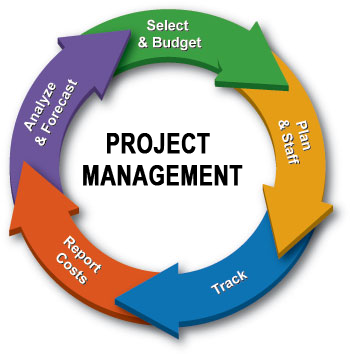 Enhance delegates' knowledge, understanding & skills in the concepts of PM and related disciplines.
Read More
 A platform to horne skills in Time Mgt; Communication; Leadership, Perfect Writing prowess among other HR knowledge areas.
Read More
 A department with focus to enrich in latest business acumen necessary for great success.
Africa Centre for Project Management (CPM)
Seminar/Short Courses
COURSE INFORMATION
Scheduled Dates: 08 – 19 Mar 2027 | 07 – 18 Jun 2027 | 06 – 17 Sep 2027 | 06 – 17 Dec 2027
Duration: 2 Weeks
Customized dates and one-on-one sessions can be organized.
PREAMBLE
The CPM Sustainable Livelihoods and Poverty Reduction training course provides participants with practical knowledge, analytical tools, and approaches for understanding and addressing poverty and livelihood vulnerability at household and community levels.
The course introduces participants to the concepts of poverty, vulnerability, livelihoods, resilience, food security, economic empowerment, social protection, and sustainable development. It uses the Sustainable Livelihoods Approach (SLA) to help participants analyze how individuals and households access and combine different livelihood assets—including human, social, natural, physical, and financial capital—to improve their wellbeing.
Participants will explore the causes and dimensions of poverty and examine strategies for strengthening livelihoods through income generation, employment, entrepreneurship, agricultural development, market access, skills development, financial inclusion, social protection, and community-based development.
The course also emphasizes gender equality, youth inclusion, disability inclusion, climate change, environmental sustainability, conflict sensitivity, and resilience as important considerations in poverty reduction programming.
By the end of the course, participants will be able to conduct basic livelihood and poverty assessments, identify vulnerable groups, design appropriate livelihood interventions, develop sustainable poverty-reduction strategies, and monitor their effectiveness.
TARGET GROUP
The course is designed for professionals and practitioners working in poverty reduction, livelihoods, community development, and humanitarian/development programming, including:
- NGO and civil society organization staff
- Government officials and development officers
- Community development officers
- Project and programme managers
- Livelihoods and economic empowerment officers
- Social protection practitioners
- Agriculture and rural development professionals
- Extension officers
- Community-based organization staff
- Humanitarian and development practitioners
- Monitoring, Evaluation, Accountability and Learning (MEAL) officers
- Researchers and development consultants
- Local government and community leaders
- Youth and women's empowerment programme staff
- Staff working with vulnerable and marginalized populations
- Development studies and social science professionals
COURSE OUTLINE
-
Module 1: Introduction to Sustainable Livelihoods and Poverty Reduction
-
Module 2: Understanding Poverty and Vulnerability
-
Module 3: The Sustainable Livelihoods Approach
-
Module 4: Livelihood Assessment and Participatory Analysis
-
Module 5: Livelihood Strategies, Resilience and Food Security
-
Module 6: Gender, Social Inclusion and Livelihoods
-
Module 7: Income Generation, Entrepreneurship and Skills Development
-
Module 8: Financial Inclusion and Economic Empowerment
-
Module 9: Agriculture, Markets and Value Chain Development
-
Module 10: Social Protection and Poverty Reduction
-
Module 11: Climate Change, Natural Resources and Sustainable Livelihoods
-
Module 12: Designing Sustainable Livelihood and Poverty-Reduction Projects
-
Module 13: Monitoring, Evaluation, Accountability and Learning
-
Module 14: Programme Sustainability, Scaling and Exit Strategies
-
Module 15: Integrated Case Study and Action Planning
REGISTRATION
To register, kindly fill the Seminar Registration Form and send it to us through:
Email: This email address is being protected from spambots. You need JavaScript enabled to view it. , This email address is being protected from spambots. You need JavaScript enabled to view it.
TERMS AND CONDITIONS OF PAYMENT
- Fees Payment - All fees are payable strictly in advance 2 working days before the course starting date.
- Cancellation Fee - Cancellation of any participant 5 working days before the start day of a course will incur a 20% cancellation fee.
We regret that no cancellations will be accepted within 2 working days of a course, but substitutions may be made.
COURSE INFORMATION
Scheduled Dates: 16 – 27 Feb 2026 | 18 – 29 May 2026 | 17 – 28 Aug 2026 | 16 – 27 Nov 2026
Duration: 2 Weeks
Customized dates and one-on-one sessions can be organized.
PREAMBLE
The CPM two-week Stakeholder Engagement and Community Participation Training is designed to equip participants with the knowledge, practical skills, and tools required to effectively identify, engage, communicate with, and collaborate with stakeholders and communities throughout the project or programme lifecycle.
The training explores the principles and practices of meaningful stakeholder engagement, inclusive community participation, consultation, partnership building, conflict management, communication, grievance management, and participatory decision-making. Participants will learn how to analyse stakeholders, develop engagement strategies, facilitate inclusive community meetings, manage expectations, document consultations, and establish mechanisms for continuous community feedback.
The course combines theory, practical exercises, case studies, group work, role plays, simulations, and field-oriented assignments to enable participants to apply the concepts in real-world development, infrastructure, environmental, social, humanitarian, and community-based projects.
By the end of the two weeks, participants will be able to develop a practical Stakeholder Engagement and Community Participation Plan for their organization, project, or programme.
TARGET GROUP
The course is intended for professionals and practitioners whose work involves engagement with communities, institutions, organizations, or other project stakeholders, including:
- Project managers and programme officers
- Community development officers and social development specialists
- Stakeholder engagement and public relations officers
- Monitoring, evaluation, accountability and learning (MEAL) personnel
- Environmental and social safeguards professionals
- NGO and civil society organization staff
- Government officers and local authority representatives
- Community-based organization and community development practitioners
- Corporate social responsibility and sustainability officers
- Humanitarian and development practitioners
- Infrastructure and construction project teams
- Consultants and field coordinators
- Community leaders and representatives
- Researchers and professionals involved in participatory development
COURSE OUTLINE
-
Module 1: Introduction to Stakeholder Engagement and Community Participation
Module 2: Stakeholder Identification and Mapping
Module 3: Stakeholder Analysis and Understanding Community Dynamics
Module 4: Principles and Approaches to Community Participation
Module 5: Participatory Methods and Tools
Module 6: Communication and Consultation Skills
Module 7: Inclusive and Gender-Responsive Community Engagement
Module 8: Stakeholder Engagement Planning and Strategy
Module 9: Conflict Management, Negotiation and Grievance Management
Module 10: Monitoring, Evaluation, Documentation and Continuous Engagement
Module 11: Practical Stakeholder Engagement Simulation
Module 12: Development of a Stakeholder Engagement and Community Participation Plan
REGISTRATION
To register, kindly fill the Seminar Registration Form and send it to us through:
Email: This email address is being protected from spambots. You need JavaScript enabled to view it. , This email address is being protected from spambots. You need JavaScript enabled to view it.
TERMS AND CONDITIONS OF PAYMENT
- Fees Payment - All fees are payable strictly in advance 2 working days before the course starting date.
- Cancellation Fee - Cancellation of any participant 5 working days before the start day of a course will incur a 20% cancellation fee.
We regret that no cancellations will be accepted within 2 working days of a course, but substitutions may be made.
COURSE INFORMATION
Scheduled Dates: 11 – 22 Jan 2027 | 05 – 16 Apr 2027 | 05 – 16 Jul 2027 | 04 – 15 Oct 2027
Duration: 2 Weeks
Customized dates and one-on-one sessions can be organized.
PREAMBLE
This CPM two-week training course on Social Accountability and Community Governance is designed to strengthen the knowledge, practical skills, and capacity of community leaders, civil society organisations, public officials, and other stakeholders to promote transparent, responsive, inclusive, and accountable governance at the local level.
The course introduces participants to the concepts, principles, tools, and practices of social accountability and community governance. It emphasises practical approaches that enable citizens and communities to participate meaningfully in decision-making, monitor public programmes and resources, engage duty bearers, and advocate for improved public service delivery.
Through interactive lectures, group discussions, case studies, role plays, simulations, practical exercises, and community-based assignments, participants will develop practical skills for applying social accountability mechanisms in their respective communities and institutions.
TARGET GROUP
The training is suitable for:
- Community leaders and representatives.
- Civil society and community-based organisations.
- Local government officials and administrators.
- Public participation and development officers.
- Traditional and religious leaders.
- Youth and women leaders.
- Representatives of vulnerable and marginalised groups.
- Community development practitioners.
- Social accountability advocates and activists.
- Development partners and programme staff.
- Elected local representatives.
- Citizen groups and community monitoring committees.
COURSE OUTLINE
-
MODULE 1: Foundations of Governance and Community Governance
-
MODULE 2: Understanding Social Accountability
-
MODULE 3: Citizen Participation and Inclusive Community Engagement
-
MODULE 4: Stakeholder Mapping and Power Analysis
-
MODULE 5: Transparency, Access to Information and Public Budgets
-
MODULE 6: Social Accountability Tools and Mechanisms
-
MODULE 7: Community Monitoring and Social Audits
-
MODULE 8: Advocacy, Dialogue and Constructive Engagement
-
MODULE 9: Conflict Sensitivity, Inclusion and Safeguarding
-
MODULE 10: Action Planning, Practicum and Course Evaluation
REGISTRATION
To register, kindly fill the Seminar Registration Form and send it to us through:
Email: This email address is being protected from spambots. You need JavaScript enabled to view it. , This email address is being protected from spambots. You need JavaScript enabled to view it.
TERMS AND CONDITIONS OF PAYMENT
- Fees Payment - All fees are payable strictly in advance 2 working days before the course starting date.
- Cancellation Fee - Cancellation of any participant 5 working days before the start day of a course will incur a 20% cancellation fee.
We regret that no cancellations will be accepted within 2 working days of a course, but substitutions may be made.
COURSE INFORMATION
Scheduled Dates: 08 – 19 Mar 2027 | 07 – 18 Jun 2027 | 06 – 17 Sep 2027 | 06 – 17 Dec 2027
Duration: 2 Weeks
Customized dates and one-on-one sessions can be organized.
PREAMBLE
The CPM Participatory Rural Development (PRD) training is a two-week practical and interactive course designed to strengthen participants’ knowledge, skills, and competencies in facilitating rural development processes through meaningful participation of local communities.
The course introduces participants to the principles, concepts, approaches, and tools of participatory rural development, with emphasis on community empowerment, inclusion, local knowledge, stakeholder engagement, participatory planning, resource mobilization, implementation, monitoring, and evaluation.
Participants will explore how rural communities can actively identify their own needs and priorities, analyze local challenges and opportunities, develop appropriate interventions, and participate in decision-making and management of development initiatives. The training combines classroom presentations, group discussions, case studies, practical exercises, role plays, field-based learning, and participatory planning exercises.
By the end of the training, participants will be able to apply participatory approaches and tools in designing, implementing, monitoring, and evaluating rural development programmes and projects.
TARGET GROUP
The training is intended for professionals and practitioners involved in rural development and community-based development, including:
- Government officers working in rural development, agriculture, livestock, water, environment, and local government.
- Development practitioners and NGO/CSO staff.
- Community development workers and extension officers.
- Project and programme managers and coordinators.
- Social workers and community facilitators.
- Staff of development agencies and donor-funded programmes.
- Researchers, trainers, and consultants working on rural development.
- Leaders and representatives of community-based organizations and farmer organizations.
- Local government officials and community representatives.
- Other professionals interested in participatory approaches to rural development.
COURSE OUTLINE
-
Module 1: Introduction to Participatory Rural Development
-
Module 2: Understanding Rural Communities
-
Module 3: Participatory Rural Appraisal (PRA)
-
Module 4: Participatory Problem and Needs Analysis
-
Module 5: Facilitation, Communication and Community Mobilisation
-
Module 6: Inclusion, Gender and Social Equity
-
Module 7: Participatory Planning and Project Design
-
Module 8: Community-Based Implementation and Resource Mobilisation
-
Module 9: Participatory Monitoring, Evaluation and Learning
-
Module 10: Field Practicum, Presentation and Course Evaluation
REGISTRATION
To register, kindly fill the Seminar Registration Form and send it to us through:
Email: This email address is being protected from spambots. You need JavaScript enabled to view it. , This email address is being protected from spambots. You need JavaScript enabled to view it.
TERMS AND CONDITIONS OF PAYMENT
- Fees Payment - All fees are payable strictly in advance 2 working days before the course starting date.
- Cancellation Fee - Cancellation of any participant 5 working days before the start day of a course will incur a 20% cancellation fee.
We regret that no cancellations will be accepted within 2 working days of a course, but substitutions may be made.
COURSE INFORMATION
Scheduled Dates: 01 – 12 Feb 2027 | 03 – 14 May 2027 | 02 – 12 Aug 2027 | 01 – 12 Nov 2027
Duration: 2 Weeks
Customized dates and one-on-one sessions can be organized.
PREAMBLE
This CPM two-week training course equips participants with the knowledge, practical skills, and tools required to facilitate participatory community development and empowerment processes. The course emphasizes approaches that enable communities to identify their own needs and priorities, mobilize local resources, participate in decision-making, and take collective action to address development challenges.
The training combines theory, practical exercises, case studies, group work, role plays, community-based analysis, and reflective learning. Participants will explore principles of participation, community entry and engagement, power and stakeholder analysis, participatory needs assessment, community mobilization, leadership, inclusion, conflict management, advocacy, resource mobilization, and sustainable community-led development.
By the end of the training, participants will be able to apply participatory approaches in designing, implementing, monitoring, and evaluating community development initiatives while promoting ownership, inclusion, accountability, resilience, and sustainability.
TARGET GROUP
The training is designed for:
- Community development officers and practitioners
- NGO and CSO programme staff
- Community-based organization (CBO) staff and volunteers
- Local government officers and extension workers
- Social workers and community facilitators
- Project managers and field officers
- Community leaders and representatives
- Youth and women's group leaders
- Faith-based and grassroots organization representatives
- Development partners and programme coordinators
- Trainers and facilitators involved in community development
- Individuals seeking practical skills in participatory development and community empowerment
COURSE OUTLINE
-
Module 1: Foundations of Participatory Community Development
-
Module 2: Community Empowerment
-
Module 3: Community Entry and Facilitation
-
Module 4: Participatory Assessment Tools
-
Module 5: Stakeholder and Power Analysis
-
Module 6: Community Mobilization and Leadership
-
Module 7: Inclusion, Gender and Social Equity
-
Module 8: Participatory Planning and Action
-
Module 9: Advocacy and Resource Mobilization
-
Module 10: Participatory Monitoring, Evaluation and Learning
REGISTRATION
To register, kindly fill the Seminar Registration Form and send it to us through:
Email: This email address is being protected from spambots. You need JavaScript enabled to view it. , This email address is being protected from spambots. You need JavaScript enabled to view it.
TERMS AND CONDITIONS OF PAYMENT
- Fees Payment - All fees are payable strictly in advance 2 working days before the course starting date.
- Cancellation Fee - Cancellation of any participant 5 working days before the start day of a course will incur a 20% cancellation fee.
We regret that no cancellations will be accepted within 2 working days of a course, but substitutions may be made.
UPCOMING COURSES
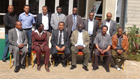
Scheduled Dates: 1st – 12th February 2027
Duration: Two weeks
Venue: NAIROBI
Online Sessions every month
Register at http://www.centreforpm.co.ke/apply-online
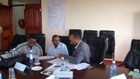
Scheduled Dates: 11th to 22nd January 2027
Duration: Two (2) Weeks
Venue: Nairobi - Kenya
Register at http://www.centreforpm.co.ke/apply-online
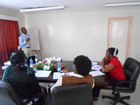
Scheduled Dates: 11th to 22nd January 2027
Duration: Two (2) Weeks
Venue: Kigali, Rwanda.
Online Sessions also scheduled.
Register at http://www.centreforpm.co.ke/apply-online
TESTIMONIALS
Construction Project Management course was presented explicitly by the Consultant Engineer. It was amazing and I learned a lot from the project planning start to it's successful completion

~~
It was a pleasure for our team from Ethiopia to attend the Project Management workshop in Kenya. The whole package was professional from start to the finish. The pace was intense and very well focused on the key points.
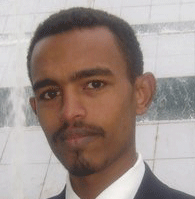
I'm really satisfied with your course, the trainer was fully qualified, he is an effective communicator and excellent person.

Search
Seminar/Short Courses
Testimonies
Downloads
Who's Online
We have 36 guests and no members online
Connect with us
 Kenbelt Business Park, First floor,
Old Mombasa Road,
Nairobi, Kenya.
 +254 732 880255
 +254 705 880255